+91-85275-71591 • Use code SHOPITOUT – 15% off on orders above ₹500!

5 Essential Salicylic Acid Tips for Flawless Results
This is part of our Ultimate Guide to Salicylic Acid blog post.
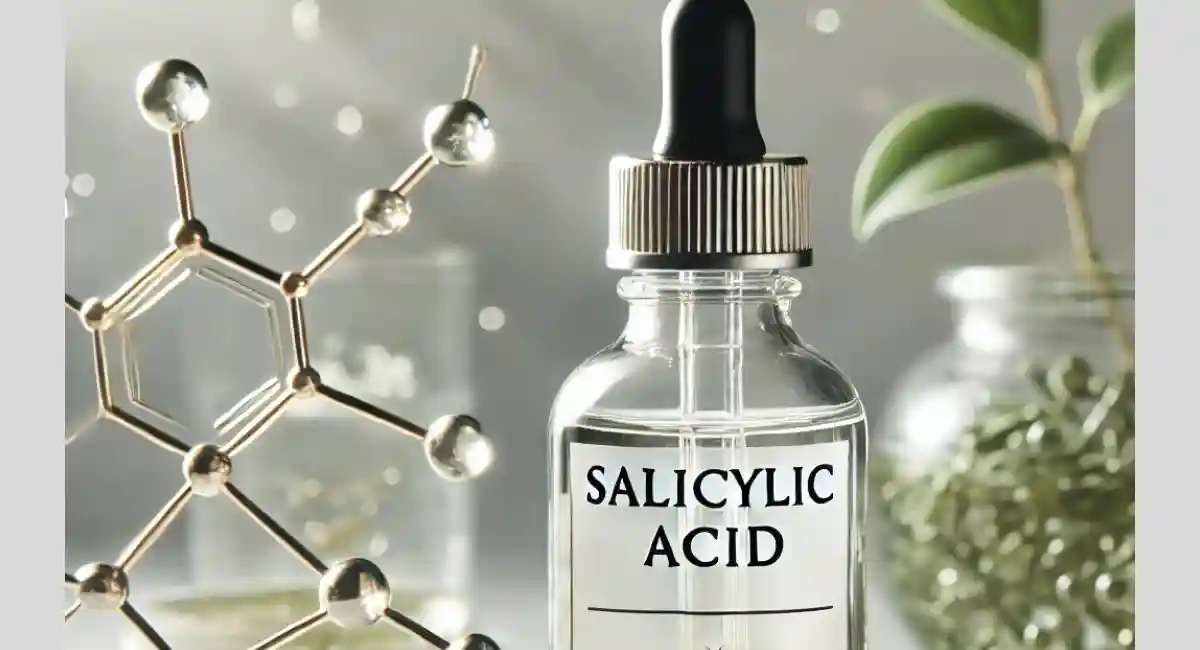
Salicylic acid is one of the most researched and trusted ingredients in modern skincare, especially for acne, clogged pores, and excess oil. Derived from willow bark, this beta hydroxy acid (BHA) is widely used in cosmetic formulations for its ability to exfoliate inside pores, reduce inflammation, and improve overall skin clarity.
In this guide, we’ll explain what this oil-soluble exfoliating acid is, how it works on the skin, its key benefits, and the different ways it is used in skincare with a clear focus on cosmetic science, safety, and long-term skin health.
What is Salicylic acid?
Salicylic acid belongs to the beta hydroxy acid (BHA) family, meaning it is oil-soluble. This allows the ingredient to penetrate through sebum and work deep inside pores, unlike water-soluble acids that act only on the skin’s surface.
Originally derived from willow bark, this pore-clearing acid has been used in dermatology for decades. In cosmetic skincare, it is especially valued for treating acne, blackheads, whiteheads, and congestion-prone skin.
Salicylic Acid in Skincare vs Medical Treatments
This ingredient is used both in medical treatments and cosmetic skincare but the purpose and formulation differ significantly.
In medical settings, high-strength formulations are prescribed to treat conditions such as warts, psoriasis, corns, or severe scaling. These treatments focus on aggressive exfoliation and are not intended for daily skincare use.
In cosmetic skincare, this BHA exfoliant is used at carefully controlled concentrations and skin-friendly pH levels. This allows it to clear pores, control oil, and reduce acne while maintaining the skin barrier. Clean, well-formulated skincare prioritises long-term skin health rather than rapid peeling.
Why this matters:
Most people searching for this ingredient want clearer, healthier skin not medication-level exfoliation. Cosmetic formulations are designed to be gentler, safer, and suitable for routine use.
How this BHA works on the skin
Unlike surface exfoliants, this oil-soluble exfoliating acid works from within.
Penetrates Oil-Filled Pores
Because it dissolves in oil, this ingredient can travel through sebum and break down the mixture of oil and dead skin cells that clog pores.
Gentle Chemical Exfoliation
It loosens dead skin cells from inside the pore, allowing them to shed naturally without physical scrubbing.
Anti-Inflammatory Action
As an acne-fighting exfoliant, it helps calm redness and swelling associated with breakouts, making it effective even for inflamed acne.
Why this acid works inside pores (Unlike AHAs)
This ingredient belongs to the BHA category, while popular exfoliating acids like glycolic and lactic acid are AHAs. Because acne begins inside oil-filled pores, a chemical exfoliant for oily skin works more effectively than surface-level acids for congestion and breakouts.
Salicylic acid benefits for skin
1. Clears Clogged Pores
By dissolving excess oil and debris, this pore-clearing ingredient helps prevent blackheads and whiteheads.
2. Reduces Acne and Breakouts
It targets acne at the source—inside the pore—making it effective for mild to moderate acne.
3. Controls Excess Oil
Regular use helps regulate sebum production, reducing shine without stripping the skin.
4. Improves Skin Texture
By encouraging healthy cell turnover, this exfoliant smooths rough, uneven skin.
5. Soothes Inflammation
Its anti-inflammatory nature helps calm redness and active breakouts.
Daily Use vs Treatment Use: How to Use It Correctly
| Use Type | Purpose | Recommended Format |
|---|---|---|
| Daily maintenance | Prevent clogged pores, control oil | Low-strength rinse-off products |
| Active breakouts | Reduce inflammation and congestion | Leave-on treatments |
| Stubborn acne & texture | Deep exfoliation | Professional peels |
Key takeaway:
Using the right format at the right frequency matters more than using a stronger concentration.
Also read our blog : Ultimate guide to salicylic acid for skin.
Common Uses of Salicylic Acid in Skincare
Daily Cleansing
Low concentrations of BHA exfoliant are commonly used in daily cleansing products to keep pores clear and balanced. One of the most common salicylic acid uses is in a gentle acne face wash for oily and acne-prone skin.
Leave-On Treatments
Creams and serums allow longer contact time to target specific acne-prone areas.
Professional Peels
Peels with low strength formulations/Higher-strength formulations are used periodically to treat persistent acne, congestion, and post-acne marks.
Why Formulation Matters
Salicylic acid is powerful—but formulation determines whether it helps or harms the skin.
Well-designed skincare products focus on:
-
Skin-friendly pH levels
-
Supporting ingredients that reduce irritation
-
Barrier-protecting components that prevent over-exfoliation
This is why modern clean beauty prioritises balanced formulations, not just high active percentages.
Who should use It and who should not use salicylic acid?(And Who Should Be Careful)
- Oily & acne-prone skin: Ideal when used consistently
- Combination skin: Helps balance oil-prone areas
- Sensitive skin: Use low strengths and limit frequency
- Dry skin: Occasional use only, followed by moisturiser
Those with compromised skin barriers should introduce this exfoliant gradually and support it with hydration.
Is Salicylic Acid Safe for Skin?
Yes, when used correctly and at appropriate concentrations. To minimise irritation:
- Avoid overuse
- Always moisturise
- Use sunscreen during the day
Consistency and formulation quality matter more than strength.
Final Thoughts
Salicylic acid remains one of the most effective ingredients for oily and acne-prone skin when used thoughtfully. Its ability to exfoliate inside pores, control oil, and calm inflammation makes it a cornerstone of modern skincare.
Choosing the right format, frequency, and formulation ensures long-term results without irritation—making salicylic acid both powerful and safe for everyday skincare routines.
FAQs: Salicylic Acid in Skincare
What does salicylic acid do for the skin?
Salicylic acid exfoliates inside pores, clears excess oil, reduces acne, and improves overall skin texture.
Is salicylic acid good for acne-prone skin?
Yes. Its oil-soluble nature allows it to target acne at the pore level.
Can salicylic acid be used daily?
It can be used daily in low concentrations, such as in cleansers. Stronger treatments should be used less frequently.
Can salicylic acid damage the skin barrier?
Overuse can weaken the barrier, which is why balanced formulations and proper frequency are important.
Should salicylic acid be used in the morning or at night?
It can be used at either time, but sunscreen is essential during daytime use.
Final Thoughts
Salicylic acid remains one of the most effective ingredients for oily and acne-prone skin when used thoughtfully. Its ability to exfoliate inside pores, control oil, and calm inflammation makes it a cornerstone of modern skincare.


